In today’s evolving world of cleanliness, safety, and ergonomic awareness, Exploring Hygienstolar has become an important topic across healthcare, wellness, and professional environments. The concept reflects a growing demand for seating solutions that prioritize hygiene without compromising comfort or design. From clinics and laboratories to salons and contemporary workplaces, hygienic seating is no longer optional but essential. This article takes a deep, human-centered look into how hygienic seating concepts are reshaping spaces, behaviors, and expectations while remaining practical, sustainable, and visually appealing.
Understanding the Concept Behind Exploring Hygienstolar
The idea behind Exploring Hygienstolar revolves around furniture designed with hygiene as its core principle. These seating solutions are built using materials, structures, and finishes that minimize contamination, support easy cleaning, and reduce long-term wear caused by frequent sanitation. Unlike traditional chairs, hygienic seating emphasizes smooth surfaces, antimicrobial coatings, and functional simplicity.
The growing awareness of health standards in shared spaces has accelerated interest in hygienic furniture. Offices, hospitals, educational institutions, and even homes are adopting smarter seating options to reduce exposure to bacteria and improve everyday cleanliness. This shift is not driven by fear but by a conscious move toward healthier environments that support productivity and well-being.
The Evolution of Hygienic Seating Design in Exploring Hygienstolar
When examining Exploring Hygienstolar, it becomes clear that hygienic seating has evolved significantly over time. Early designs focused mainly on durability, often overlooking comfort and aesthetics. Modern approaches combine ergonomics, minimalism, and advanced materials to produce seating that is both functional and visually refined.
Designers now prioritize seamless surfaces, fewer joints, and moisture-resistant finishes. These innovations reduce dirt accumulation and make routine cleaning more effective. The evolution also reflects cultural changes, where cleanliness is associated with professionalism and trust in public and private spaces.
Materials and Construction Standards in Exploring Hygienstolar
A central theme within Exploring Hygienstolar is the careful selection of materials. Materials play a vital role in determining how hygienic, durable, and comfortable a chair can be. High-quality plastics, treated metals, and synthetic upholstery dominate modern hygienic seating solutions.
The table below illustrates common materials used in hygienic seating and their functional characteristics, presented directly within the discussion for clarity.
| Material Type | Key Hygienic Property | Common Usage Environment |
|---|---|---|
| Medical-grade plastic | Non-porous and easy to disinfect | Clinics and laboratories |
| Powder-coated steel | Resistant to corrosion and microbes | Hospitals and workstations |
| Synthetic leather | Wipe-clean surface with low absorption | Salons and offices |
| Molded polyurethane | Seamless and durable | Industrial and healthcare seating |
These materials support long-term hygiene while maintaining comfort and structural integrity. The focus on non-absorbent surfaces ensures that liquids and contaminants do not penetrate, making cleaning routines more effective and less time-consuming.
Ergonomics and Comfort in Exploring Hygienstolar
Although hygiene is the foundation, Exploring Hygienstolar also emphasizes ergonomic comfort. Seating designed solely for cleanliness but lacking comfort can lead to fatigue, poor posture, and reduced productivity. Modern hygienic chairs therefore integrate adjustable features such as seat height control, lumbar support, and flexible backrests.
Comfort-focused engineering ensures that users can sit for extended periods without strain. This balance between hygiene and ergonomics reflects a holistic understanding of human needs. In professional environments, comfortable hygienic seating contributes to better focus, efficiency, and overall satisfaction.
Applications of Exploring Hygienstolar Across Different Sectors
The relevance of Exploring Hygienstolar extends across multiple industries. Each sector applies hygienic seating concepts differently based on its functional demands and user interactions.
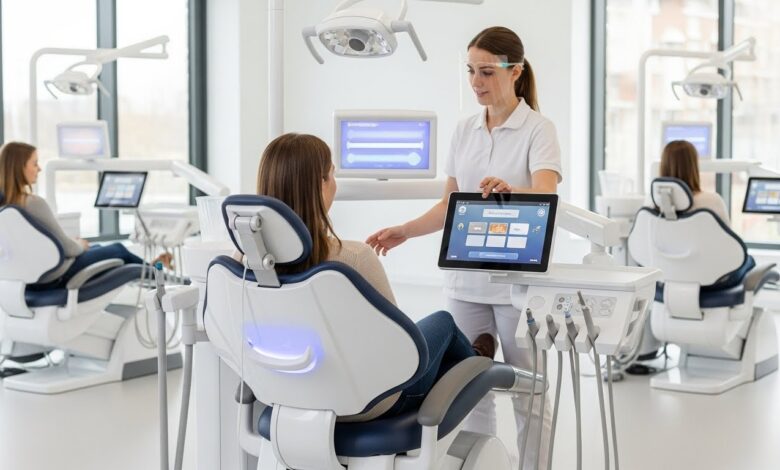
Healthcare facilities remain the most prominent adopters. Hospitals, dental clinics, and diagnostic centers rely heavily on seating that can withstand frequent disinfection while maintaining patient comfort. Waiting areas, examination rooms, and staff stations all benefit from hygienic seating solutions.
Educational institutions are also embracing hygienic seating, especially in laboratories and training centers. Easy-to-clean chairs help maintain cleanliness standards while accommodating high daily usage. Similarly, beauty salons and wellness centers use hygienic seating to ensure client safety and maintain professional credibility.
The table below highlights sector-based usage patterns in a concise format.
| Sector | Purpose of Hygienic Seating | Primary Benefit |
|---|---|---|
| Healthcare | Infection control and safety | Reduced contamination risk |
| Education | Clean shared environments | Easy maintenance |
| Beauty and wellness | Client hygiene assurance | Professional image |
| Offices | Health-focused workspaces | Improved employee comfort |
This diversity of application shows how hygienic seating adapts to different operational needs while maintaining consistent quality standards.
Sustainability and Environmental Responsibility in Exploring Hygienstolar
Another important dimension of Exploring Hygienstolar is sustainability. Modern hygienic seating is increasingly designed with environmental responsibility in mind. Manufacturers are using recyclable materials, long-lasting components, and eco-friendly production methods to reduce waste.
Durability plays a major role in sustainability. A well-constructed hygienic chair lasts longer, reducing the need for frequent replacement. This not only lowers costs but also minimizes environmental impact. Some designs also support modular repairs, allowing parts to be replaced instead of discarding the entire unit.
Sustainable hygiene-focused seating aligns with global efforts to reduce carbon footprints while maintaining high standards of cleanliness and usability.
Aesthetic Value and Modern Design in Exploring Hygienstolar
While functionality is critical, appearance also matters. Exploring Hygienstolar highlights how modern hygienic seating no longer looks clinical or dull. Designers now blend minimalist aesthetics with soft contours, neutral tones, and contemporary styling.
This balance allows hygienic chairs to fit seamlessly into modern interiors. Whether placed in a medical office or a creative workspace, these chairs contribute positively to the overall ambiance. Visual appeal enhances user comfort by creating welcoming environments rather than sterile ones.
Design innovation also ensures adaptability, allowing seating to match branding themes or interior color palettes without sacrificing hygiene standards.
Maintenance and Daily Care in Exploring Hygienstolar
Maintenance is a key reason many organizations adopt hygienic seating. Within Exploring Hygienstolar, ease of cleaning stands out as a defining advantage. Smooth surfaces and resistant coatings allow quick wiping using standard cleaning solutions.
Daily care routines are simplified, reducing labor time and operational costs. Because hygienic chairs are designed to withstand repeated cleaning, they retain their appearance and functionality over time. This reliability makes them a cost-effective investment for high-traffic environments.
Additionally, clear maintenance guidelines help users preserve the quality of seating while ensuring consistent hygiene practices.
The Role of Innovation and Technology in Exploring Hygienstolar
Innovation continues to shape the future of hygienic seating. Exploring Hygienstolar increasingly includes the integration of smart materials and advanced manufacturing techniques. Antimicrobial surfaces, improved polymers, and precision molding contribute to better performance.
Some modern designs incorporate temperature-resistant materials or surfaces that reduce microbial growth naturally. These innovations support passive hygiene, meaning cleanliness is maintained even between cleaning cycles.
Technology-driven improvements also allow manufacturers to test durability, hygiene efficiency, and ergonomic performance before production, ensuring higher quality outcomes.
Cultural and Social Impact of Exploring Hygienstolar
Beyond functionality, Exploring Hygienstolar reflects a broader cultural shift toward health-conscious living. People today are more aware of their surroundings and expect environments to support well-being. Hygienic seating plays a subtle yet powerful role in shaping these expectations.
In public spaces, clean and well-designed seating builds trust. In workplaces, it communicates care for employee health. In service industries, it enhances credibility and professionalism. These social perceptions demonstrate that hygienic seating is not merely furniture but a symbol of responsibility.
Choosing the Right Hygienic Seating Through Exploring Hygienstolar
Selecting the right hygienic seating involves understanding usage needs, environmental conditions, and long-term goals. Exploring Hygienstolar encourages buyers to look beyond price and focus on value, durability, and design compatibility.
Decision-makers should evaluate material quality, ease of cleaning, ergonomic features, and aesthetic alignment. Considering these factors ensures that seating solutions perform effectively over time while supporting hygiene standards.
A thoughtful selection process leads to improved user satisfaction and better return on investment.
Future Trends Shaping Exploring Hygienstolar
Looking ahead, Exploring Hygienstolar will continue evolving alongside technological and social advancements. Future designs are expected to emphasize smart materials, adaptive ergonomics, and even greater sustainability.
Customization may also play a larger role, allowing organizations to tailor hygienic seating to specific workflows or brand identities. As awareness grows, hygienic seating will likely become a standard expectation rather than a specialized feature.
The future points toward a seamless integration of health, comfort, and design, reinforcing the relevance of hygienic seating in everyday life.
Conclusion: Why Exploring Hygienstolar Matters Today
In conclusion, Exploring Hygienstolar offers valuable insight into how hygiene-focused seating is transforming modern environments. By combining cleanliness, comfort, sustainability, and design, hygienic seating solutions meet the evolving needs of today’s society.